
2027 Kitchen Design Trends: What’s Next for the Heart of the Home
The final months of 2026 are here, and we're already looking ahead to what's next in kitchen design. While trends come and go, the most interesting shifts aren't always about a new color or countertop material. They're about how we use our kitchens, how they connect to the rest of our homes, and what we want these spaces to feel like.
As we look toward 2027, we're seeing a move toward kitchens that feel less like standalone rooms and more like natural extensions of the home. Clean lines, thoughtful storage, warmer materials, and spaces designed around everyday living are shaping the conversation.
In this month's blog, we're breaking down the design directions we expect to see more of in 2027, and why they're worth paying attention to.
The Invisible Kitchen
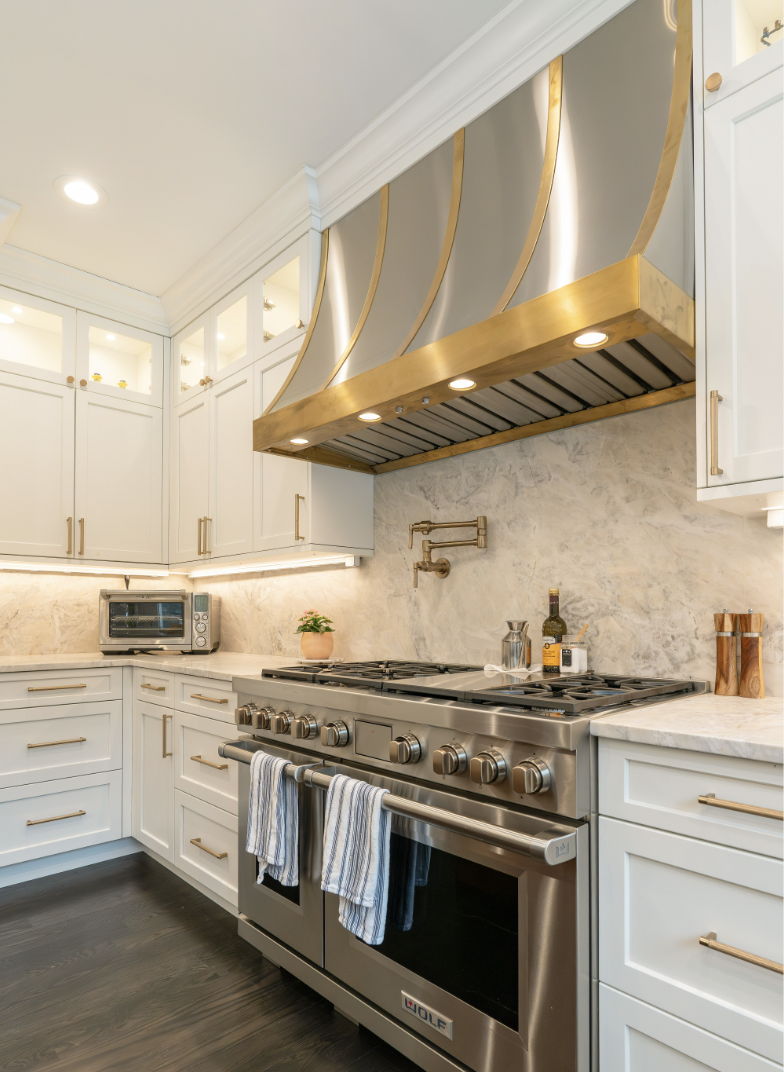
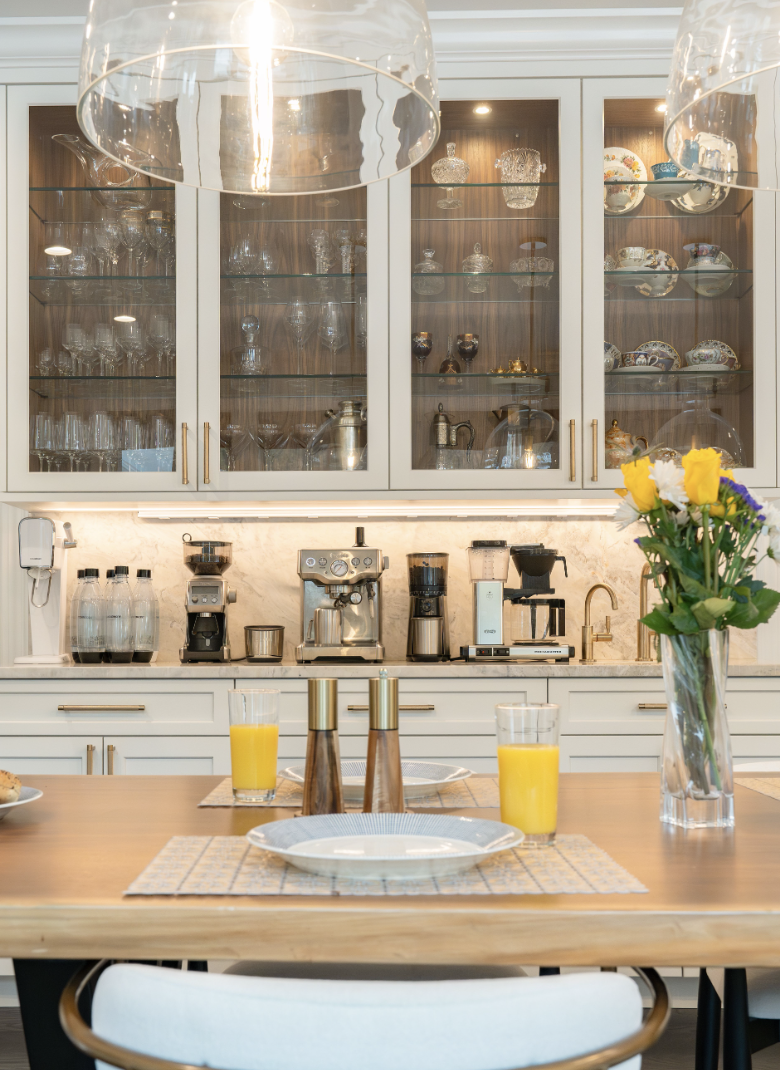
As open floor plans continue to shape how we live, kitchens are becoming increasingly connected to the spaces around them. When the kitchen is visible from the living room or dining area, it can no longer be designed in isolation. It has to feel like part of the home.
That's where the invisible kitchen comes in.
Rather than making every appliance, cabinet, and storage solution a focal point, this approach focuses on creating a seamless transition between the kitchen and surrounding living spaces. Paneled appliances, integrated storage, concealed hardware, and cabinetry that reads more like furniture all help create a quieter, more cohesive look.
The goal isn't to make the kitchen disappear entirely. It's to make it feel intentional within the larger space, where the cabinetry, finishes, and architectural details work together rather than compete for attention.
The Rise in Back-of-House Kitchens
Interestingly, as front-facing kitchens become more minimal and design-oriented, the spaces behind them are becoming more functional.
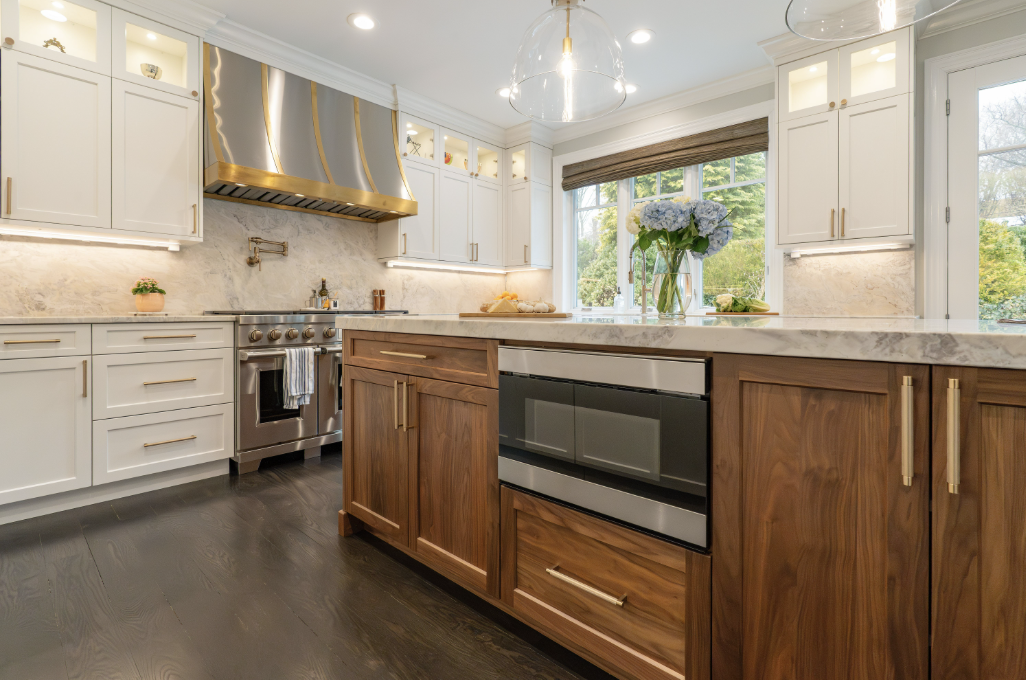
We're expecting to see more interest in back-of-house kitchens, sometimes referred to as working kitchens or sculleries. These secondary spaces are designed to handle the less visually appealing parts of everyday kitchen life: food preparation, additional storage, small appliances, and cleanup.
For homeowners who entertain frequently, this separation can be especially valuable. The main kitchen remains a welcoming space for gathering, while the working kitchen handles everything happening behind the scenes.
It's a shift that reflects a larger idea in kitchen design: a beautiful space should also make everyday life easier.
Natural Materials that Embrace Imperfection
In 2027, we're expecting to see a greater appreciation for materials that don't look perfectly uniform. From wood cabinetry with visible grain and natural knots to marble and quartzite countertops with distinctive veining, the variations that were once considered imperfections or distracting are becoming part of the appeal.
We're usually drawn to white oak and walnut cabinetry where the differences in grain and tone add warmth and depth to a space. Rather than choosing countertops with repetitive, manufactured patterns, homeowners are embracing the movement, color variations, and unique characteristics of each slab.
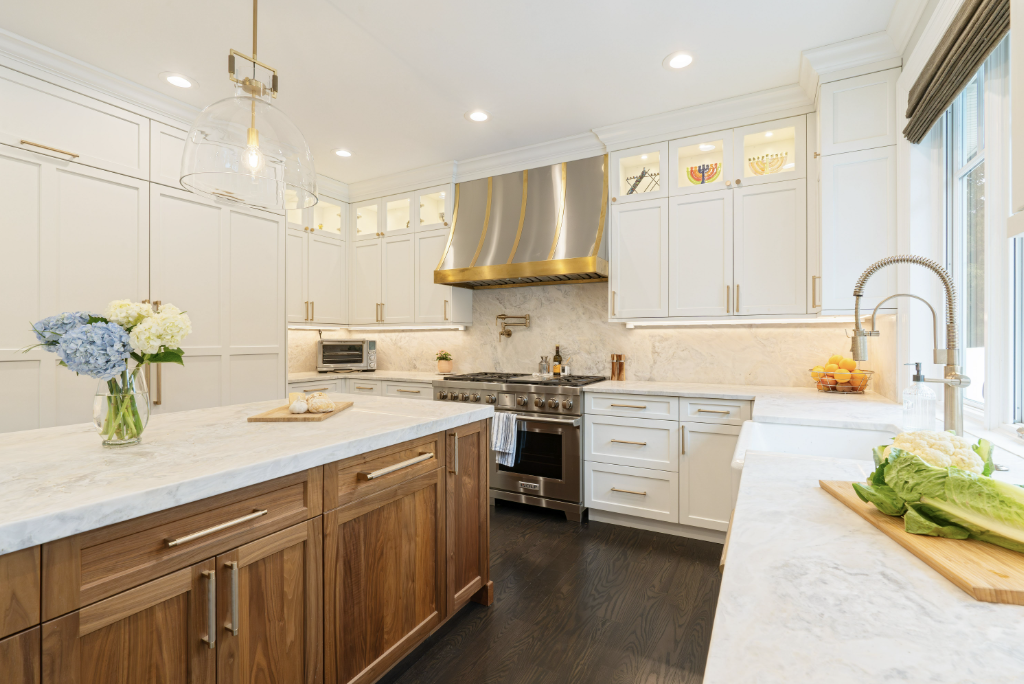
The result is a kitchen that feels less manufactured and more personal. These materials bring a sense of character that can't be replicated exactly, making each kitchen feel entirely its own.
How you can implement this:
At Showcase, we believe the strongest designs aren't defined by how closely they follow a trend. They're defined by how well they balance aesthetics, functionality, and the way a homeowner actually lives.
The best kitchens of 2027 won't necessarily be the ones that look the most different. They'll be the ones where every detail feels like it belongs.